Table of contents
Forestry operations have evolved dramatically with the advancement of specialized machinery, and among the most dynamic tools are mulchers and chippers. These machines have revolutionized land management, making the processing of wood debris faster and more sustainable. Exploring their versatility unveils solutions for a wide range of forestry tasks, ensuring optimal productivity and environmental stewardship. Discover how these powerful tools are reshaping the industry in the comprehensive discussion that follows.
Understanding mulchers in forestry
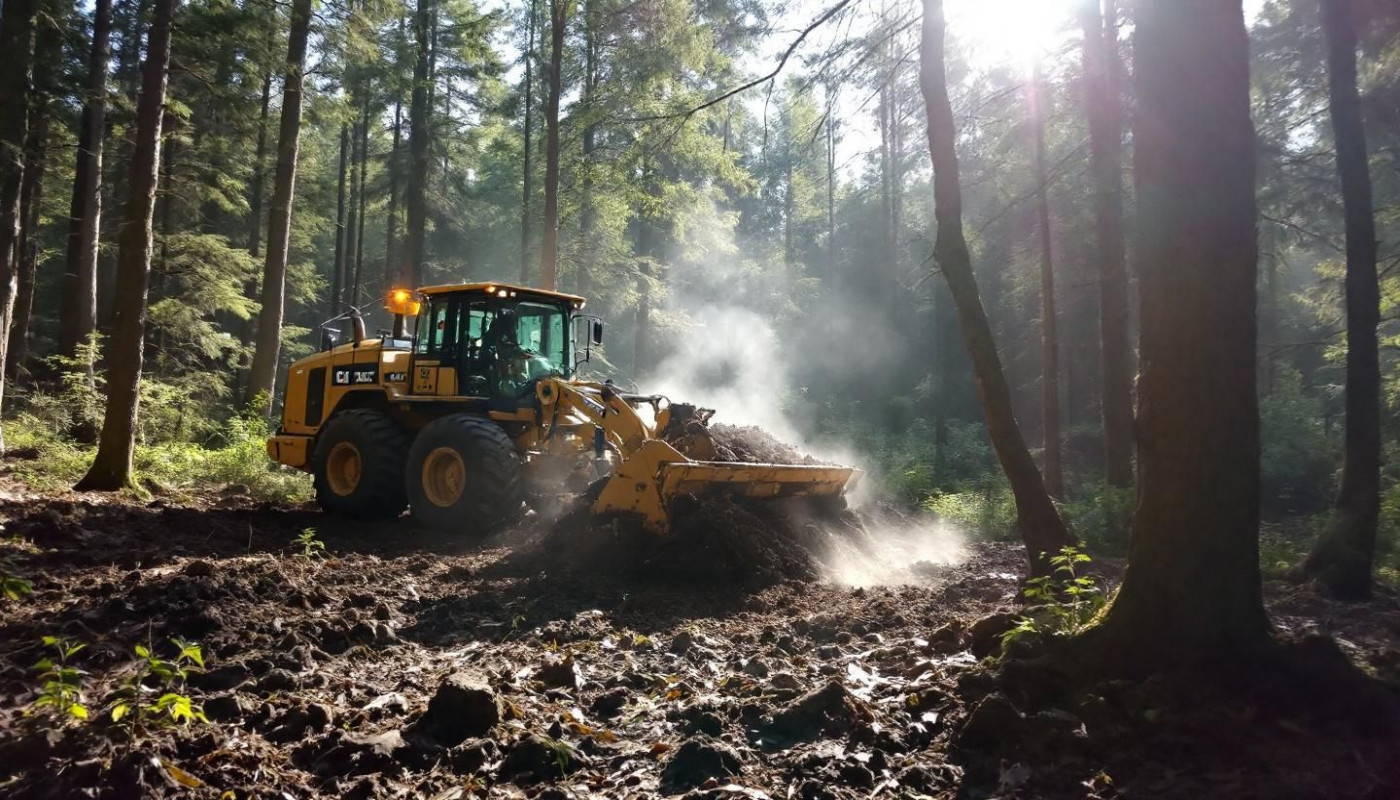
Forestry mulchers are specialized machines designed for efficient land clearing and vegetation control in forested environments. These machines operate using a powerful rotor drum equipped with cutting teeth that shred trees, brush, and undergrowth into fine mulch directly on site. The mulching process is highly efficient, allowing operators to manage large areas quickly while minimizing environmental disturbance. Typical applications for a forestry mulcher include site preparation for reforestation, wildfire prevention, right-of-way maintenance, and habitat restoration, where rapid removal of unwanted vegetation is needed without extensive soil disruption.
In managing forest landscapes, the advantages of mulchers extend beyond land clearing. By converting woody debris into organic mulch, these machines contribute to improved soil health by promoting moisture retention, reducing erosion, and returning nutrients to the ground. This process helps to stabilize the ecosystem, preserve native plant life, and maintain natural soil structure, which is vital for sustainable forestry practices. Using a forestry mulcher for vegetation control supports long-term ecosystem resilience, decreases the need for chemical treatments, and fosters healthier forest regeneration cycles.
Chippers: turning debris into resource
Wood chippers play a pivotal role in forestry operations by efficiently transforming branches, trunks, and other wood debris into uniform wood chips. The process begins when forestry personnel feed large volumes of raw material into the machine’s feed chute, where powerful internal blades or hammers rapidly break down the debris. This mechanical action facilitates superior debris management by converting what was once considered waste into valuable products for mulch, compost, or even biomass production. In sustainable forestry, this transformation not only aids in site cleanup but also boosts the overall productivity of land management activities.
In sustainable forestry practices, chippers are regarded as indispensable for wood recycling and minimizing environmental impact. By converting wood debris into usable chips, these machines help avoid the open burning or landfilling of organic material, which can contribute to air and soil pollution. Instead, wood chips generated from chipping can be repurposed locally for trail surfacing, erosion control, or as a renewable source for biomass fuel, further advancing eco-friendly initiatives. Their adaptability in managing high volumes of debris makes them a cornerstone of responsible forestry and land-clearing projects.
Integrating wood chippers into daily forestry routines embodies a forward-thinking approach to resource utilization, turning potential waste into consistent streams of economic and environmental benefit. With the ability to handle diverse wood types and sizes through the engineered feed chute, these machines ensure reliable wood recycling and support the forestry sector’s sustainability goals. For those seeking to optimize their operations or learn more about specific models suitable for various forestry environments, view it now to discover solutions that align with progressive forestry standards.
Comparing mulchers and chippers
When evaluating mulcher vs chipper options in forestry applications, understanding their operational mechanisms and use cases is vital for effective land management. Mulchers are forestry machinery designed to shred vegetation, branches, and even small trees directly into fine output material that can be left on-site as ground cover or soil amendment. Chippers, on the other hand, are land management tools that process woody materials into larger, uniform wood chips by feeding branches and logs into rotating blades. The output material from chippers is often collected and used for biofuel, landscaping, or transport, while mulch produced by mulchers typically remains dispersed over the treated area, promoting erosion control and soil health.
Choosing between a mulcher and chipper for forestry projects requires an equipment comparison that takes land conditions, project scope, and intended outcome into account. For dense underbrush, overgrown fields, or fire prevention efforts, mulchers provide operational efficiency by clearing and processing vegetation in place. Chippers are better suited for sites where removal of woody debris is necessary or if the project aims to produce valuable wood chips for other uses. Assess the terrain, volume and type of material, and whether the output material must be left on-site or transported elsewhere. Consulting with a forestry machinery expert can help determine which land management tools align best with specific operational requirements and long-term sustainability goals.
Innovations in forestry machinery
Recent years have seen rapid advancements in forestry technology, particularly within mulchers and chippers, revolutionizing how forestry professionals manage resources and conserve ecosystems. Modern machines now integrate advanced telematics systems, which allow for real-time monitoring of equipment performance, predictive maintenance, and remote diagnostics. This level of machine innovation maximizes uptime while also reducing unexpected breakdowns, directly translating to heightened productivity and cost savings. Enhanced automation in forestry enables operators to handle complex tasks with greater precision, minimizing human error and optimizing fuel efficiency. Safety improvements, including automated emergency shutdowns and advanced sensor arrays, further reduce the risk of workplace incidents, making equipment safety a top priority for manufacturers and operators alike. These advancements not only streamline operations but also contribute to sustainable machinery practices, significantly lowering the environmental footprint by reducing emissions, conserving fuel, and promoting responsible land management.
The integration of intelligent control systems and eco-friendly engine technologies in mulchers and chippers demonstrates a strong commitment to sustainable forestry technology. Newer models often feature smart energy management that adjusts power output based on workload, ensuring optimal resource use and decreasing unnecessary fuel consumption. Automation in forestry, coupled with telematics systems, enables coordinated fleet management and data-driven decision-making, allowing forestry managers to strategically deploy equipment for maximum efficiency. Enhanced equipment safety protocols, such as operator presence systems and remote-stop functions, offer added protection and comply with the latest regulatory requirements. As machine innovation continues to evolve, these technological strides ensure that forestry professionals can meet demanding industry standards while embracing a future of sustainability and operational excellence.
Maximizing efficiency in the field
Field efficiency in forestry hinges on expertly deploying mulchers and chippers with a focus on equipment maintenance, operator training, and strategic site assessment. Implementing a preventive maintenance schedule ensures optimal performance by reducing breakdowns, prolonging machine life, and safeguarding against unexpected downtime. Thorough daily inspections, timely replacement of wear parts, and consistent lubrication all contribute to a machine’s efficiency and reliability. Site assessment techniques, such as identifying terrain challenges, mapping debris volumes, and planning access routes, allow operators to minimize machine travel and maximize productive hours during operations.
Comprehensive operator training is a pivotal factor that elevates forestry productivity. Skilled operators can consistently adjust machinery for changing wood types, avoid overloading, and navigate challenging terrain safely. Mastery of settings and attachments, in conjunction with regular feedback from maintenance teams, enables crews to achieve peak output while minimizing fuel consumption and wear. When these strategies are integrated, project profitability rises as operating costs fall, equipment downtime is reduced, and the quality of output improves, demonstrating the paramount impact of proper use and meticulous care in forestry work.
Similar articles

Discovering the Wonders of Zen Gardening

Urban Farming: Cultivating More Than Just Plants
